Insights on multi-agent AI and orchestration
Guides, comparisons and architecture deep dives from the Ruflo community.

What is Ruflo? A Complete Introduction to Multi-Agent AI Orchestration
Ruflo is an open-source multi-agent AI orchestration platform that coordinates swarms of specialized agents through shared memory, federated communication, and MCP integration.

How Multi-Agent AI Works: Architecture, Coordination and Memory
A deep dive into how [multi-agent AI systems](/blog/what-is-ruflo) coordinate specialized agents through shared memory, message passing, and consensus to solve complex tasks.
Ruflo vs Single AI Agents: Why Coordination Wins
Single-agent AI hits context, cost and reliability ceilings. Ruflo's multi-agent orchestration unlocks scale, lower token cost and better autonomous outcomes.
Ruflo for Claude Code: Supercharge Your AI Coding Workflow
How Ruflo extends [Claude Code](/blog/ruflo-for-claude-code) with multi-agent swarms, persistent memory, MCP tools and autonomous task delegation.
What is AI Swarm Intelligence?
AI swarm intelligence is the coordination of many specialized agents into collective problem-solvers. Learn topologies, consensus, and real-world applications.
AI Agent Orchestration Explained
Agent orchestration is the discipline of routing tasks, managing memory and coordinating tools across multiple AI agents. Here is how it works.
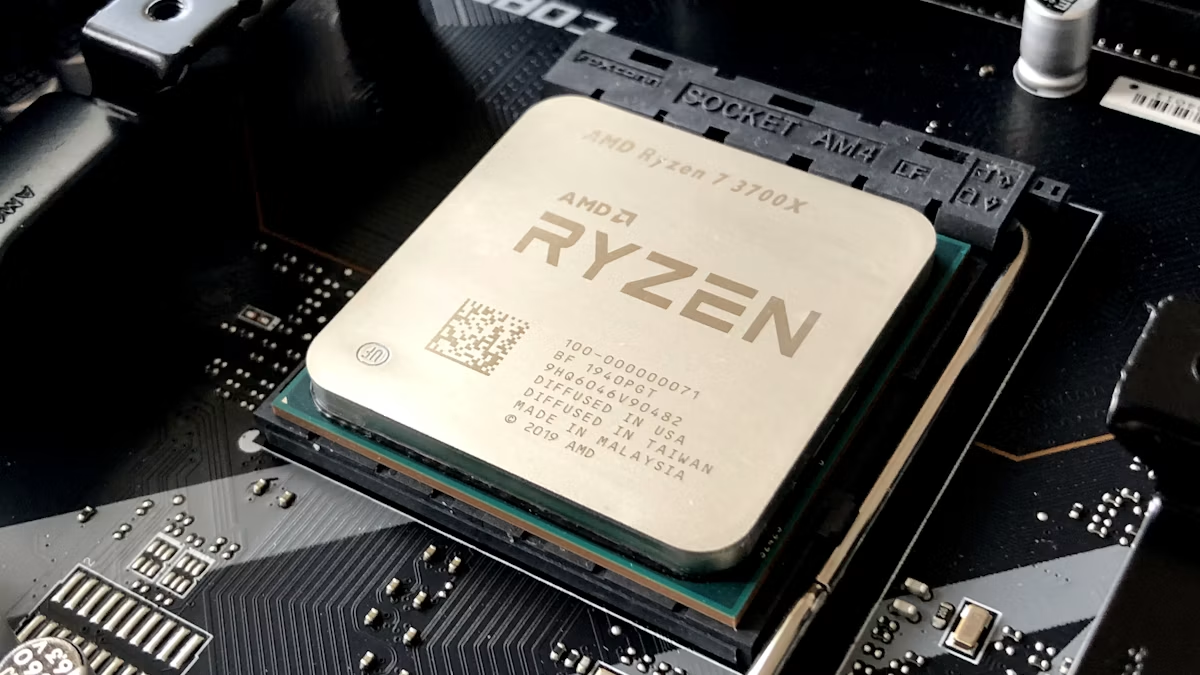
How Shared Memory Improves AI Agents
Shared memory lets agents pick up context where others left off, dramatically reducing token cost and hallucination in [multi-agent systems](/blog/how-multi-agent-ai-works).
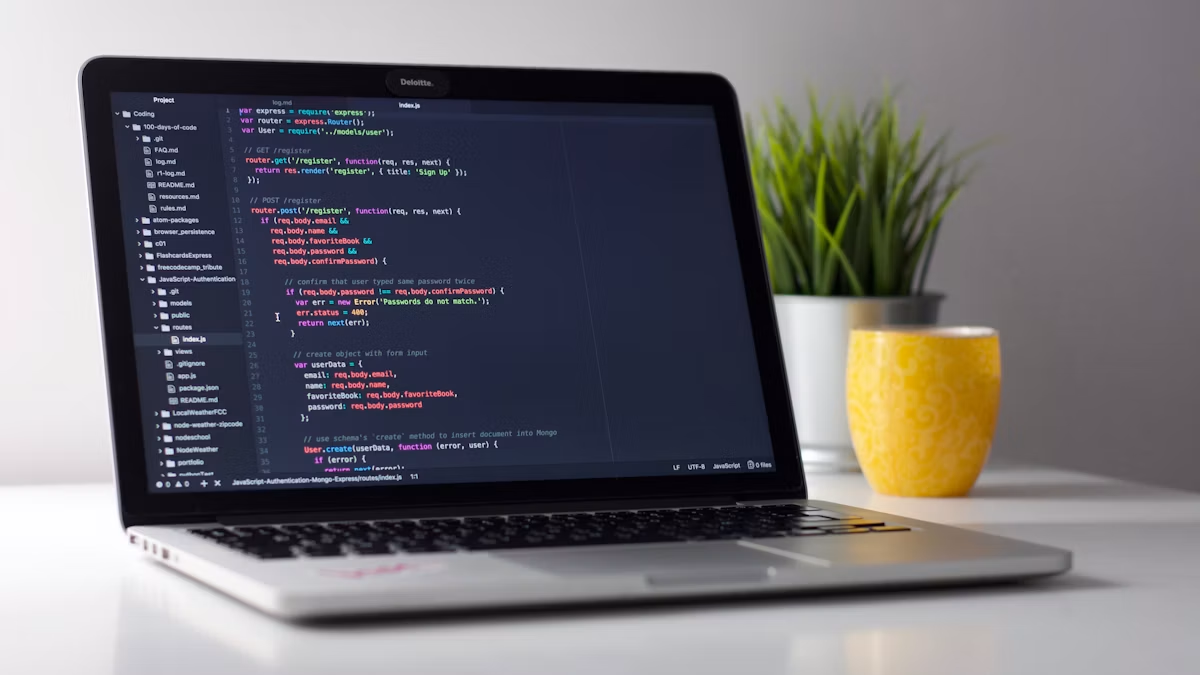
Ruflo MCP Setup Guide
Step-by-step instructions to register Ruflo as an MCP server and start orchestrating agents from Claude Code, Cursor or any MCP client.
Federated AI Agents Explained
Federated agent networks let teams collaborate across machines without centralizing data. Learn the architecture and trust model.

The Future of Multi-Agent AI Systems
Where multi-agent AI is heading: autonomous teams, persistent memory at scale, and AI-native enterprise infrastructure.
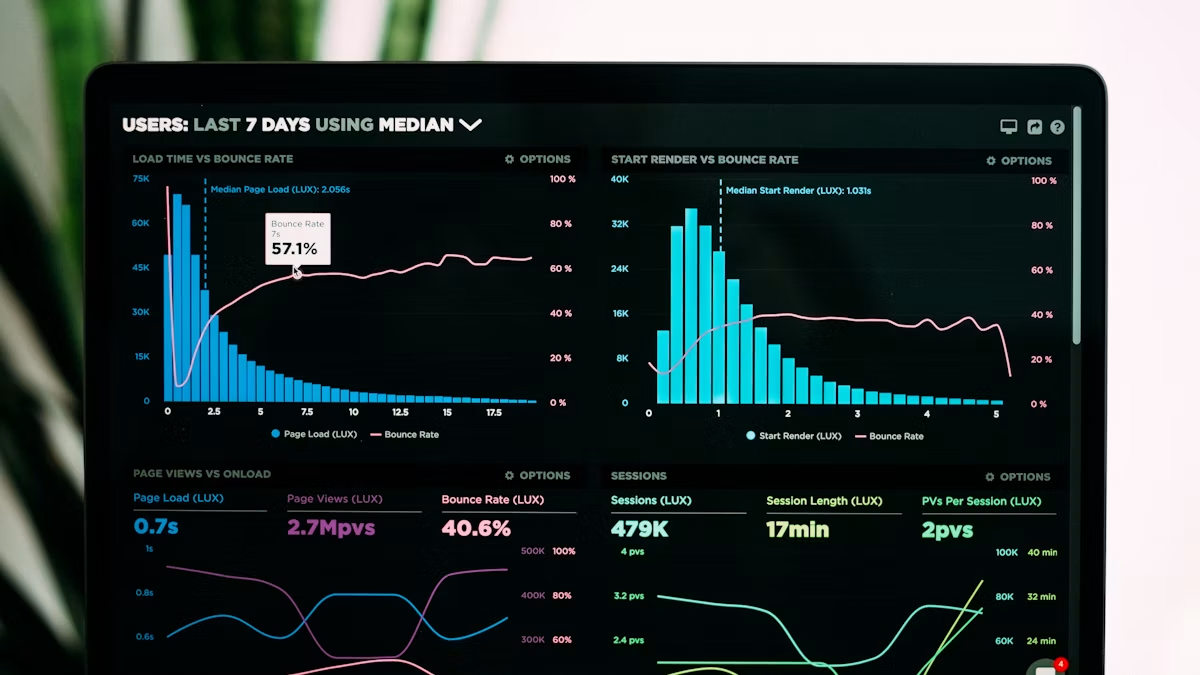
Best AI Orchestration Platforms in 2026
An overview of the leading AI orchestration platforms, with a focus on multi-agent capabilities, memory and MCP support.

Ruflo GitHub: Complete Guide to the Repository
Navigate the Ruflo GitHub repository: structure, contribution flow, issue triage and how to extend the platform.

Claude Flow vs Ruflo: How They Compare
Claude Flow and Ruflo both extend Claude Code with orchestration. Here is how they differ in architecture, memory and federation.

AI Swarm Architecture Explained
Inside the architecture of modern AI swarms: routing layer, memory engine, federation, and consensus.

Enterprise AI Agent Automation with Ruflo
Deploying multi-agent AI inside the enterprise: security, audit, governance and integration patterns.

The Ultimate Guide to Building Autonomous Multi-Agent AI Swarms in 2026
A hands-on, storytelling guide exploring how software engineers are moving from brittle single-prompt chatbots to synchronized, multi-agent AI swarms that build, test, and ship production software.

Claude Code vs Cursor vs Windsurf: The Definitive Multi-Agent Battle in 2026
We stress-tested Claude Code, Cursor, and Windsurf against a real 50,000-line legacy monorepo refactor. Here is the unvarnished breakdown of multi-agent capabilities, token costs, and developer ergonomics.
How to Run Multi-Agent Swarms Inside Claude Code Using MCP: A Step-by-Step Blueprint
Turn Anthropic's Claude Code terminal into an elite engineering manager. Learn how to connect Ruflo via Model Context Protocol to coordinate parallelized background agents and shared memory.

How Shared Memory Solves Context Drift and Hallucinations in AI Agents
Why do AI assistants start hallucinating on long coding sessions? Discover how dual-tier transactional and vector shared memory keeps agent swarms perfectly aligned across hours of autonomous execution.

Building an Autonomous AI Code Reviewer Swarm for GitHub Pull Requests
Learn how to build a 24/7 autonomous GitHub review swarm that catches security bugs, verifies style guidelines, and drafts comprehensive pull request feedback before your human team wakes up.

What is Model Context Protocol (MCP)? The Definitive Developer Guide for 2026
A comprehensive, story-driven breakdown of the Model Context Protocol (MCP). Discover how Anthropic's open standard is unifying AI tooling, memory persistence, and multi-agent coordination across the software industry.

How to Build a Custom MCP Server in TypeScript: A Hands-On Engineering Guide
Step-by-step code tutorial: Learn how to construct a production-ready Model Context Protocol (MCP) server in TypeScript from scratch, complete with schema validation, tool definitions, and live debugging.

How Multi-Agent Swarms Actually Cut Your AI Token Costs in Half
A data-backed financial analysis revealing how narrow-context multi-agent swarms reduce cumulative LLM token consumption by over 50% compared to monolithic single-prompt assistants.

Running AI Swarms 100% Offline: Complete Setup with Ollama and DeepSeek
A comprehensive tutorial on orchestrating fully private, air-gapped multi-agent AI swarms on your local workstation using Ollama, DeepSeek-R1, Llama 3, and Ruflo.

Building an Autonomous Technical Documentation Generator with Multi-Agent Swarms
Discover how engineering teams use autonomous multi-agent swarms to eliminate documentation debt, automatically syncing markdown docs, OpenAPI schemas, and changelogs on every git commit.

Claude 3.7 Sonnet vs OpenAI o3-mini vs DeepSeek-R1: The Ultimate AI Coding Swarm Benchmark
We subjected the three premier reasoning models to 100 real-world production bug fixes inside autonomous multi-agent swarms. Discover the empirical truth about coding accuracy, token costs, latency, and tool execution.

Automated Vulnerability Hunting: Using Adversarial AI Agents to Hunt Zero-Days
Discover how cybersecurity teams use adversarial multi-agent swarms to uncover zero-day vulnerabilities, simulate real-world exploits, and generate verified security patches autonomously.

How to Connect PostgreSQL and SQLite Databases to LLMs via MCP Safely
A comprehensive engineering tutorial on building secure, read-only database MCP servers. Enable AI agents to query relational databases with parameterized safety, zero data leaks, and ultra-fast vector search.
Consensus Mechanisms in AI Swarms: How Multiple LLMs Vote and Verify Code
Explore how multi-agent consensus algorithms, majority voting, and adversarial debate eliminate hallucinations and achieve 99.4% compilation reliability in autonomous software swarms.

How to Implement Human-in-the-Loop (HITL) Safeguards for Production AI Workflows
Learn how to construct unbreakable human-in-the-loop (HITL) approval gates, cryptographic state checkpoints, and role-based guardrails to deploy autonomous AI agents with zero disaster risk.

How We Reduced Our Engineering Sprint Time by 60% Using AI Agent Swarms
A real-world engineering case study: How our 12-person software team overhauled our two-week agile sprint cycle, delegating backlog tickets to parallelized AI swarms and achieving 60% faster feature delivery.

Autonomous Bug Triaging: Routing Sentry & Datadog Errors to AI Agents for Instant Fixes
How modern Site Reliability Engineering (SRE) teams use autonomous AI swarms to ingest production stack traces from Sentry and Datadog, reproduce defects in sandboxes, and draft verified hotfix pull requests at 3:00 AM.

Preventing Prompt Injection and Jailbreaks in Multi-Agent Collaborative Systems
An in-depth cybersecurity guide on securing multi-agent AI networks against indirect prompt injection, poisoned inputs, privilege escalation, and data exfiltration.

Prompt Caching vs Shared Vector Memory: Which Strategy Wins for Long-Running Agents?
A deep architectural comparison of Anthropic/OpenAI prompt prefix caching versus localized SQLite vector shared memory for multi-turn autonomous coding agents.

Observability for AI Swarms: Monitoring Agent Latency, Token Spikes, and Infinite Loops
A production guide on implementing OpenTelemetry distributed tracing, real-time loop detection, and Grafana dashboards for autonomous multi-agent software swarms.

Enterprise Multi-Agent Governance: Role-Based Access Control (RBAC) and Audit Logs
How enterprise engineering leaders implement Role-Based Access Control (RBAC), cryptographic audit ledgers, and SOC 2 compliance frameworks across 50+ autonomous AI agent swarms.

Securing Your MCP Server: Authentication, Rate Limiting, and Process Sandboxing
A comprehensive DevSecOps guide on hardening Model Context Protocol (MCP) servers. Implement Bearer token authentication, Docker process sandboxes, and token bucket rate limiters to prevent exploitation.

How to Build a Hybrid AI Swarm: Routing Easy Tasks to Local LLMs and Hard Tasks to Claude
A practical engineering guide on building a two-tier cognitive routing architecture. Delegate 75% of routine coding tasks to local DeepSeek/Qwen models while reserving Claude 3.7 Sonnet for complex architecture.

How to Build a Test-Driven Development (TDD) AI Swarm for Claude Code
Step-by-step guide: Build an autonomous Test-Driven Development (TDD) multi-agent swarm inside Claude Code. Master the automated Red-Green-Refactor loop with 100% test coverage.

The Future of Model Context Protocol: Will MCP Replace Traditional REST & GraphQL APIs?
An architectural vision of the agentic web. Discover why traditional APIs built for human screens are yielding to the Model Context Protocol as the universal standard for autonomous AI computing.