Federated AI Agents Explained
Federated agent networks let teams collaborate across machines without centralizing data. Learn the architecture and trust model.
The Security Pitfalls of Centralized AI
As enterprises rush to adopt artificial intelligence and automated agent workflows, they run into a major roadblock: data security and privacy. Traditional AI frameworks require all source code, database schemas, internal communications, and proprietary files to be sent to a central cloud server where the monolithic model is hosted. For companies operating in highly regulated industries—such as healthcare, finance, defense, or legal—this centralization represents an unacceptable risk.
Furthermore, in modern multi-enterprise projects, different companies need to collaborate on a shared software application or research dataset, but they cannot give each other direct access to their internal servers, private Git repositories, or local databases. They need a way to collaborate intelligently without centralizing their data.
Federated AI Agent networks represent a major paradigm shift. In a federated network, instead of moving data to a central server, we distribute capabilities and orchestrate local agents across separate, trusted nodes. Ruflo is engineered with native support for federated communication, allowing teams to build complex software and run technical research collaboratively while keeping their source code and private data completely local.
The Architecture of a Federated Swarm
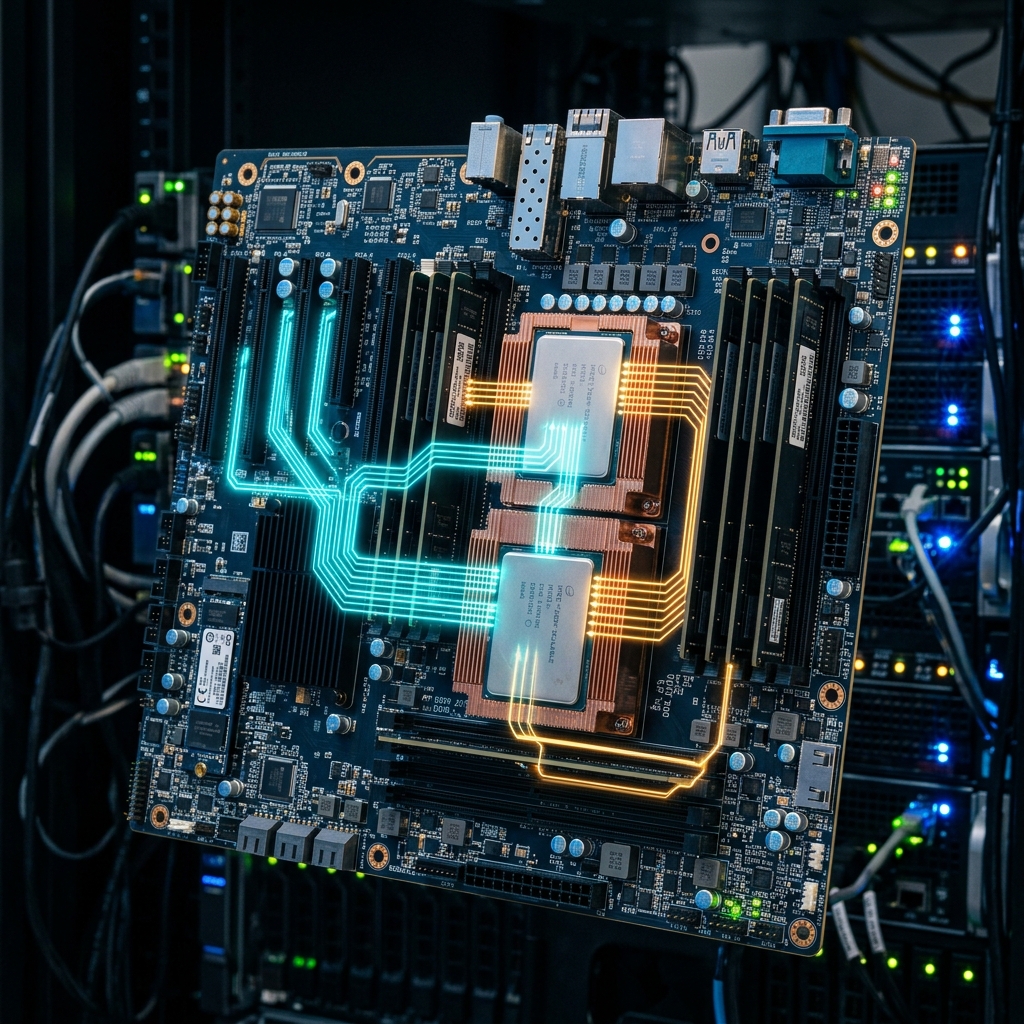
In a standard Ruflo setup, your agents run locally on your machine. In a Federated setup, multiple local Ruflo nodes connect to form a secure, distributed trust mesh. Let's explore the key components of this architecture:
1. Distributed Swarm Nodes: Each developer, team, or partner company runs their own local Ruflo node. This node has direct, secure access to their private files, local tools, and vector databases. The source files never leave this local environment.
2. Secure Federated Message Bus: Nodes communicate over an encrypted, peer-to-peer message bus (using Libp2p or secure WebSockets). Instead of sharing raw files, nodes pass high-level agent messages, execution results, tool capabilities, and semantic summaries. For example, Node A can ask Node B: 'Please compile this specific module and report the status.' Node B executes the task locally and reports the status without ever sharing the code itself.
3. Cryptographic Trust Boundaries: To secure the network, Ruflo implements advanced access control lists (ACLs) and cryptographic signatures. Every agent message, tool execution request, and memory transfer is cryptographically signed. This ensures that Node B only executes tools authorized by Node A's specific access keys, maintaining absolute security and auditability.
Real-World Federated AI Use Cases
Federated AI Agent networks open up incredible new possibilities for secure collaboration across teams and organizations. Let's look at some real-world application patterns:
Multi-Enterprise Software Engineering: Imagine two corporate partners building a secure API bridge between their platforms. Company A runs a local Ruflo node with access to their internal auth server code. Company B runs a node with access to their proprietary database. The two nodes connect, and the federated swarm orchestrates the integration, testing endpoints and validating schemas locally without either company exposing their private source repositories.
Distributed Medical Research: In healthcare, clinical data is strictly protected by HIPAA regulations. Medical research teams can run local Ruflo nodes at separate hospitals. The nodes compile research insights, run local statistical models on patient data, and share only the aggregated, anonymized results over the federated mesh. This allows the researchers to train highly accurate models on distributed data while ensuring 100% patient privacy and compliance.
Secure Cross-Department Enterprise Automation: Within a large financial institution, the risk management team and the trading desk operate in separate, secure environments. By deploying a federated Ruflo mesh, the trading desk can utilize risk-validation agent capabilities without the risk department exposing their proprietary risk scoring algorithms or internal financial data, maintaining strict regulatory boundaries.
Frequently asked questions
No. Since nodes only exchange high-level agent messages, summaries, and telemetry rather than raw data, it operates efficiently even on standard connections.
Yes, all communication between Ruflo nodes is encrypted end-to-end using TLS and AES-256, ensuring total security and privacy.
Ruflo federations use cryptographic key pairs (ED25519) to authenticate nodes and sign/validate all inter-agent messages.
Yes, the transport layer supports standard proxy configurations and port forwarding, allowing easy integration with corporate firewalls.
No. Remote agents communicate purely through execution messages and request/response frameworks without direct repository access.
Remote agents present cryptographic proof of successful local compilation and test passes, which are validated by other nodes on the mesh.