The Future of Multi-Agent AI Systems
Where multi-agent AI is heading: autonomous teams, persistent memory at scale, and AI-native enterprise infrastructure.

The Shift from Co-Pilots to Autonomous Swarms
The first phase of the artificial intelligence boom focused on building 'Co-Pilots'—intelligent autocomplete widgets that sit inside your code editor and suggest lines of code. While extremely useful, a co-pilot is still fundamentally a passive tool, waiting for a human developer to write code, select a block, and trigger a prompt. As we enter the next decade of AI development, we are witnessing a rapid shift from passive co-pilots to proactive, fully autonomous agent swarms.
An autonomous swarm does not wait for autocomplete. You give it a high-level goal, such as 'migrate this entire database module from MySQL to PostgreSQL and update all routing paths'. The swarm autonomously analyzes the database schemas, generates the migration scripts, refactors the backend models, compiles the code locally, automatically patches compilation errors, writes parallel unit tests, and presents you with a fully functional, verified git branch.
This shift represents a massive leap in engineering leverage. A single developer, instead of writing lines of code, becomes the director of an elite, multi-agent AI software team. By managing coordination topologies, designing tools, and reviewing pull requests, human engineers can scale their impact by 10x, focusing entirely on high-level architecture and product value.
Emerging Tech Trends in Agentic Systems
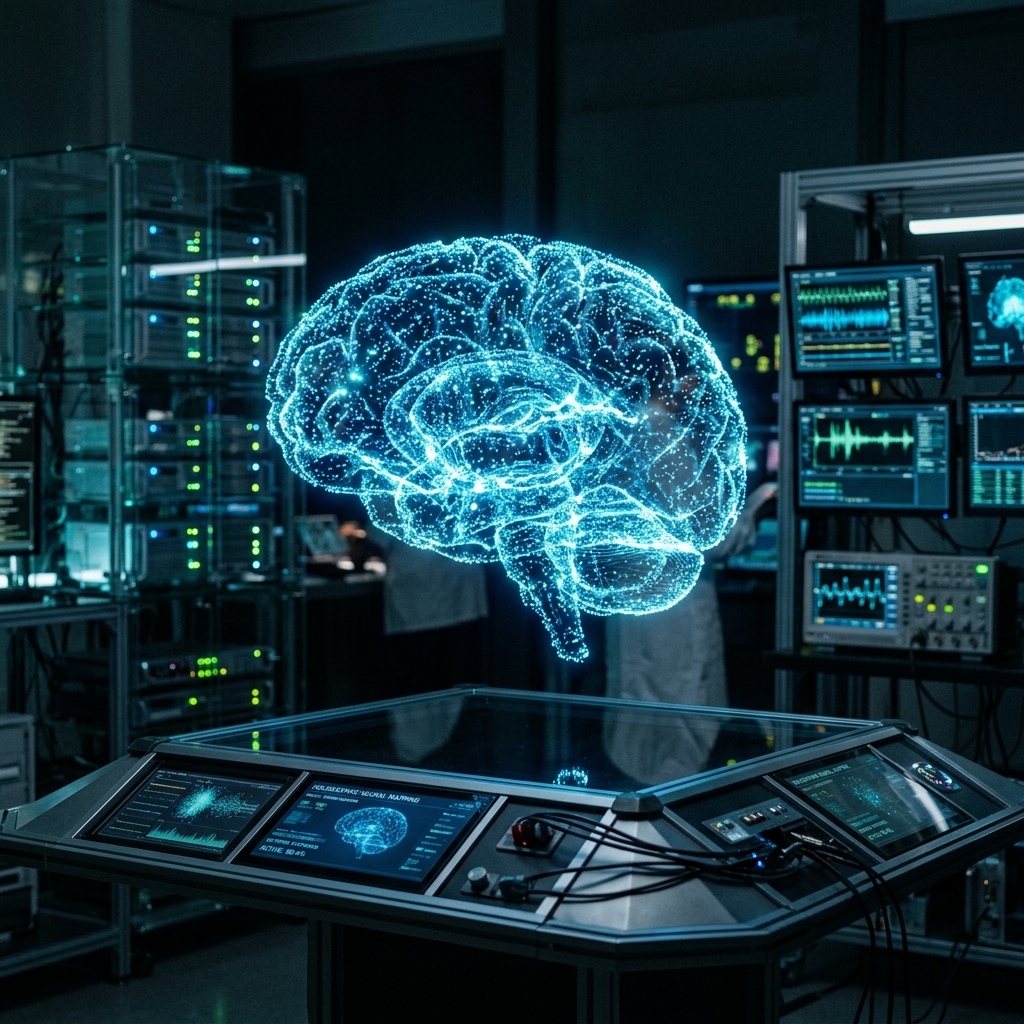
As multi-agent systems continue to evolve, several key technical breakthroughs are shaping the future of autonomous software engineering. Let's explore these major trends:
1. Persistent Semantic Memory at Scale: Early agents had short-term memory limited to a single session. Future systems will feature deep, continuous, multi-project semantic memory databases. Agents will carry insights, database schemas, coding standards, and historic solutions across different projects, learning and improving their accuracy over time.
2. Standardized Tool Ecosystems (MCP): The rapid adoption of the Model Context Protocol (MCP) will create a massive global registry of discoverable, secure, and standardized developer tools. Agents will be able to easily connect to databases, compile environments, run tests, and query external APIs out-of-the-box without custom integrations.
3. Dynamic Swarm Topologies: Instead of relying on static developer configurations, future orchestration engines will dynamically reconfigure swarm topologies on the fly. If a task is simple, it runs sequentially; if a complex bug is detected, the engine instantly spins up an adversarial consensus swarm to isolate, test, and patch the bug autonomously.
Societal and Industrial Implications
The rise of high-performance, autonomous agent swarms will profoundly reshape the global software engineering industry. While some fear that AI will replace human developers, the reality is far more exciting: it will democratize creation and unlock unprecedented human potential.
First, the barrier to software creation will drop to zero. A creative founder, designer, or domain expert will be able to articulate a complex software concept in plain language, and a Ruflo-style swarm will build, test, and deploy the entire application autonomously. The speed of innovation will accelerate exponentially, turning ideas into fully functional software in minutes.
Second, the role of the professional software engineer will evolve into that of an 'Architect and Director of Intelligence'. Engineers will focus on system design, data security, model alignment, and tool design, while leaving repetitive coding, testing, and linting to autonomous agents. This will eliminate developer burnout, turning coding into a highly creative, architectural, and fulfilling discipline.
Frequently asked questions
No. AI agents excel at executing tasks, refactoring, and testing, but they lack human intuition, strategic vision, creative product design, and architectural empathy.
Start building with agent orchestrators like Ruflo today. Learn how to write effective system prompts, design robust developer toolsets, and manage agent topologies.
For local model execution (Ollama), a dedicated GPU with 16GB+ VRAM is recommended. For API-based runs (Claude/GPT), standard laptop configurations are perfect.
Yes. Future updates focus on real-time multi-agent vector synchronizations, allowing global teams of agents to share learning states instantly.
As orchestration algorithms become smarter, they optimize context length, leading to a steady decrease in token consumption per feature.
By implementing strict budget allocations, permission gateways, and requiring manual human sign-off for critical production branches.